The arrival of the summer for some of us means at least one long car journey. A journey longer than we would normally take combined with the recent requirements for working from home and self-isolation our cars may not have seen the use they normally do. So here are 3 things to check before a long journey to help ensure our transport plans work out smoothly.
Tires Don’t Last Forever
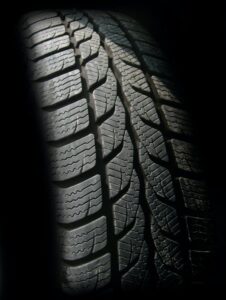
Irrespective of your car’s power source, both electric and fossil fuel vehicles require their tires to be safe and legal. It’s a great idea to give the tires on our cars a critical check before a long journey. Tyres wear our and its this wear we are used to checking whenever we drive our cars. It’s easy to check the depth of tread, either with a tread depth gauge or a ruler, or even the edge of a 20 pence coin. In the UK we must have a minimum legal tread depth of 1.6 millimetres. This 1.6mm depth must be maintained for the full circumference of the tyre and extend over its central section for ¾ of the tread width. To check it with a 20 pence coin, the border on the coin is just under 3mm so allows some margin for measurement error and a small safety margin. Place the coin into the tread grooves, if the edge of the coin is visible above the tread, it is time to change the tyre.
The general condition of the tire matters too, check both sidewalls of the tires, both inside and outside for any bulges or irregularity, and also check for cuts or damage. Very small scuffs or cuts are acceptable as long as they do not measure more than 25mm (or 10% of the width of the tire), and do not enter the tyre far enough to reach the cording or reinforcement within the structure of the tyre. Always be critical and change tyres if in doubt.
Check that the car is fitted with the correct specification of tires. Though the brands can be different, the tyres themselves must be of the same specification. Check your vehicle handbook for the size and specification needed.
Check Your Fluid Levels
Again, electric or petrol, your vehicle will have fluids that require the levels to be checked. Some fluid levels in a vehicle won’t change unless there is an issue, this applies to coolant levels mostly. Other levels can change within their acceptable parameters. Brake fluid levels change as the brake pads wear in your vehicle, but they must never fall below the minimum mark. Use your vehicle handbook to guide you, but if you find low levels of coolant, brake fluid, or engine oil, the cause should be determined and if required, rectified. Topping up a leaking cooling system without fixing the leak is likely to lead to problems in the future.