Watching your child struggle to make friends can be tough. Friendships are a big part of childhood—they help kids build confidence, learn social skills, and feel like they belong. While some children naturally connect with others, many need a little guidance along the way. The good news is that there are practical, supportive ways you can help.
Make New Friends
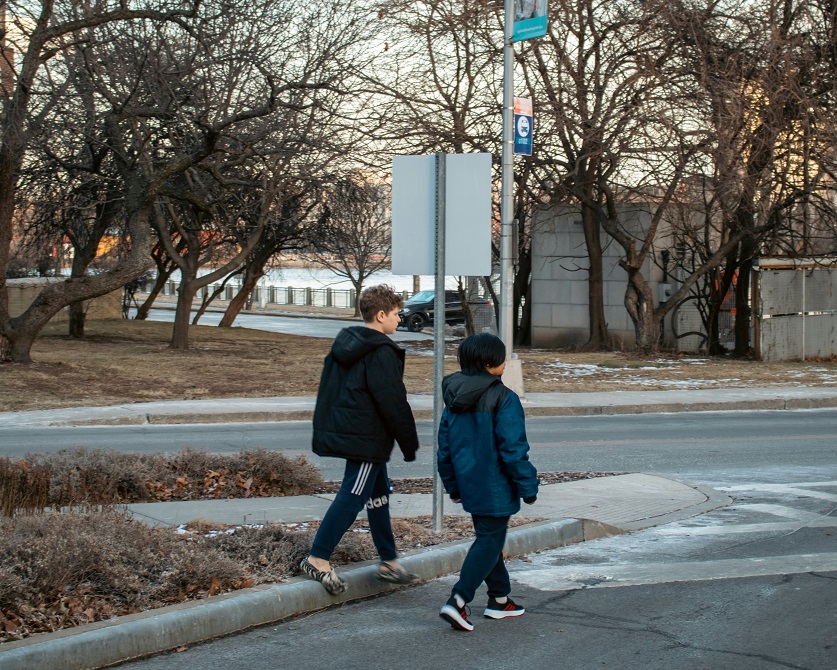
Understand Your Child’s Personality
Not all children are social butterflies—and that’s perfectly okay. Some kids are naturally outgoing, while others are more reserved or cautious in new situations. Instead of trying to change who your child is, focus on supporting their individual temperament.
A quieter child might prefer one-on-one playdates over large group settings. An energetic child might thrive in team activities. Pay attention to where your child feels most comfortable and build from there.
Teach Simple Social Skills
Making friends isn’t always intuitive. Small, teachable behaviors can make a big difference. Encourage your child to:
- Make eye contact and smile
- Say “hello” and introduce themselves
- Ask simple questions like “Do you want to play?”
- Take turns and share
Role-playing at home can help your child feel more confident before trying these skills in real-life situations.
Create Opportunities for Interaction
Friendships don’t just happen—they need opportunities to grow. Help your child meet peers by:
- Arranging playdates with classmates
- Enrolling them in clubs, sports, or group activities
- Spending time at parks or community events
Consistency matters. Seeing the same children regularly makes it easier for friendships to develop naturally.
Be a Gentle Coach, Not a Director
It’s tempting to step in and manage your child’s social life, but friendships work best when they’re child-led. Instead of directing every interaction, guide your child with gentle suggestions and encouragement.
If something doesn’t go well, talk it through afterward:
- “What happened?”
- “How did that make you feel?”
- “What could you try next time?”
This helps your child learn problem-solving and resilience.
Model Positive Relationships
Children learn a lot by watching you. When they see you being kind, respectful, and interested in others, they absorb those behaviors.
Simple things like greeting neighbors, listening actively, and maintaining friendships of your own show your child what healthy relationships look like.
Support, Don’t Pressure
Pushing too hard can backfire. If your child feels pressured to make friends quickly, it may increase anxiety rather than confidence.
Celebrate small steps instead:
- Saying hello to someone new
- Joining a group activity
- Playing alongside another child
These moments build the foundation for deeper connections over time.
Know When to Step In
If your child is consistently struggling—feeling isolated, anxious, or rejected—it may be worth exploring further support. Teachers, school counselors, or child development professionals can offer helpful insights and strategies.
Final Thoughts
Making friends is a skill that develops over time. With patience, encouragement, and the right opportunities, most children learn how to build meaningful connections. Your role isn’t to create friendships for them—but to give them the tools and confidence to do it themselves.
In the end, even one good friend can make a world of difference.