Guide to GCSEs – Navigating the GCSE years can feel overwhelming for both parents and teenagers. As the first major set of public exams in the UK, GCSEs (General Certificate of Secondary Education) play a key role in shaping a young person’s future study and career options. This guide, shared by an independent school in Cambridge, is designed to help parents understand the process, support their children effectively, and keep stress levels manageable.
Guide to GCSEs
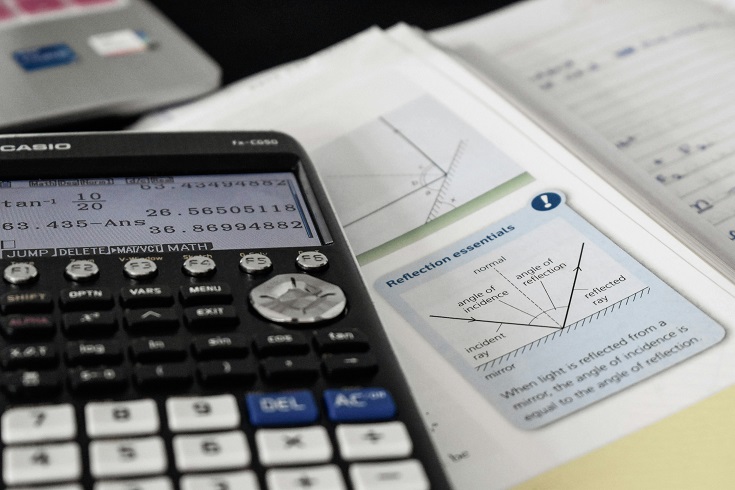
GCSEs are academic qualifications typically taken by students in England, Wales, and Northern Ireland at the age of 15–16, usually in Year 11. They cover a range of subjects, including core subjects (English, maths, and science) and optional subjects like history, art, or computing. Students are usually entered for 8–12 subjects, depending on their school and interests.
- Grading system: GCSEs are graded from 9 (highest) to 1 (lowest). A grade 4 is considered a standard pass and grade 5 a strong pass.
- Assessment methods: Most GCSEs are assessed through final exams in May and June of Year 11, though some subjects include coursework or practical assessments (e.g., art, design & technology, or drama).
Key Milestones in the GCSE Journey
- Year 9 – Subject choices (Options): Students choose their GCSE subjects, balancing interests with future career or study goals.
- Year 10 – Foundation year: The two-year GCSE courses begin, focusing on building knowledge and exam techniques.
- Year 11 – Final year: Revision intensifies, mock exams identify gaps, and final exams take place in the summer.
- August results day: Students receive their results, which determine post-16 pathways such as sixth form, college, apprenticeships, or training.
How Parents Can Support Their Child
Parental support is one of the strongest predictors of success. Here are key ways to help:
- Create a Positive Study Environment
Provide a quiet, well-lit space free from distractions. Encourage a routine that balances study with breaks and relaxation.
- Help With Time Management
Work with your child to create a revision timetable early, breaking subjects into manageable chunks. Encourage early preparation to avoid last-minute cramming.
- Encourage Healthy Habits
Sleep, balanced meals, and exercise are vital for focus and mental health. Limit late-night revision sessions and promote screen-free downtime.
- Stay Informed and Involved
Attend school information evenings and parent-teacher meetings to understand expectations. Keep track of exam dates and any coursework deadlines.
- Provide Emotional Support
GCSEs can be stressful. Listen to your child’s worries, remind them of their strengths, and help them keep perspective. If anxiety seems overwhelming, speak to teachers or seek professional support.
Dealing with Results Day
Results day can bring excitement and nerves. Whatever the outcome:
- Celebrate effort: Recognise hard work, regardless of grades.
- Explore options: If results are lower than expected, schools and colleges can advise on resits, alternative courses, or different pathways.
- Plan next steps: Discuss sixth form, college, or vocational routes together, focusing on your child’s interests and aspirations.
GCSEs are an important milestone, but they do not define a child’s worth or future. With consistent support, practical preparation, and encouragement, parents can help their children approach these exams with confidence and resilience. Remember, the journey is about growth as much as grades.