Create a Fun, Sensory Garden for Play and Learning – Parents must encourage their children’s imagination and independence in today’s fast-paced world. One of the best ways to achieve this is by creating a sensory-friendly outdoor space in your garden. Not only does this provide a safe and stimulating environment for kids to explore, but it also offers endless opportunities for learning and entertainment. Let’s dive into how you can transform your garden into a sensory wonderland, featuring essentials like a 14ft trampoline and Childrens climbing frames.
Create a Fun, Sensory Garden for Play and Learning
The Importance of Sensory Play
Sensory play is all about engaging your child’s senses: touch, sight, sound, smell, and even taste. This type of play is essential for brain development, motor skills, and social interaction. Children who play outdoors encounter various sensory experiences they wouldn’t get indoors. The feel of grass under their feet, birds chirping, and the sight of colourful flowers all contribute to a richer play experience.
Planning Your Sensory Garden
Before you start, consider what elements will engage your child’s senses the most. Think about different textures, smells, sounds, and sights. Here are some key features to include:
- Textured Paths: Create pathways using different materials, such as gravel, wood chips, and smooth stones. This will provide a variety of textures underfoot.
- Colourful Plants: Plant various flowers and shrubs that bloom in different seasons, ensuring there’s always something new to see and smell.
- Water Features: A small fountain or birdbath can add soothing sounds and attract wildlife.
The 14ft Trampoline: Bounce Into Fun
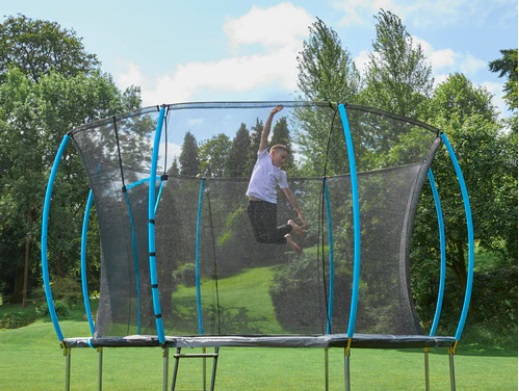
A 14ft trampoline is a fantastic addition to any sensory garden. It provides not only hours of fun but also numerous physical benefits. Jumping on a trampoline improves balance, coordination, and muscle strength. It’s also an excellent way for children to burn off energy and develop a sense of independence as they master new skills.
When setting up your trampoline, ensure it’s flat and away from overhanging branches or hard surfaces. Surrounding it with soft grass or a safety net can prevent injuries. To keep it safe, regularly check the trampoline for wear and tear.
Children’s Climbing Frames: Reach New Heights
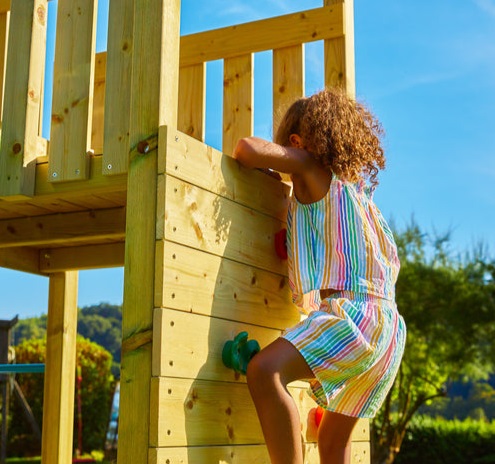
Children’s climbing frames are another excellent feature of your sensory garden. They encourage imaginative play and help develop physical strength, agility, and problem-solving skills. Whether a simple frame with a few steps and a slide or a more complex structure with ropes, ladders, and towers, climbing frames offer endless possibilities for adventure.
When choosing a climbing frame, consider your children’s age and ability. Ensure the frame is sturdy, weather-resistant, and has no sharp edges. Position it on a soft surface like grass or wood chips to cushion any falls.
Incorporating Nature
Nature itself is a powerful sensory tool. Planting various flowers, herbs, and vegetables can turn your garden into a sensory paradise. Encourage your children to touch and smell different plants. Lavender, mint, and rosemary are remarkable for their solid scents and exciting textures.
Create a mini vegetable patch where kids can plant, water, and watch their food grow. This teaches them about responsibility, the life cycle of plants, and the importance of healthy eating. Plus, there’s nothing more satisfying than eating something you’ve grown yourself!
Sensory Play Areas
Designate specific areas in your garden for different types of play. A sandpit can provide hours of tactile fun, while a mud kitchen lets kids get creative and messy. Natural materials like wood, stone, and metal are used in these play areas to keep the sensory experience authentic.
Consider adding a quiet corner with a hammock or bean bags where children can relax and enjoy the sights and sounds of the garden. This can be an excellent spot for reading or simply unwinding after active play.
Encouraging Imaginative Play
To further boost imagination, add elements that inspire creative play. In the minds of children, a simple wooden fort can become a castle, a pirate ship, or a space station. Provide kids with loose parts like sticks, stones, and fabric to build and create.
Rotate toys and play items regularly to keep the space exciting and engaging. Encourage your children to come up with their games and scenarios. This kind of open-ended play is fantastic for developing problem-solving skills and creativity.
Safety First
While creating a fun and stimulating environment, always keep safety in mind. Regularly inspect all play equipment and garden areas for potential hazards. Supervise younger children closely and teach older kids about safe play practices.
Conclusion
Creating a sensory-friendly garden is a beautiful way to foster your child’s imagination and independence. With features like a 14ft trampoline and children’s climbing frames, your garden can become a haven of fun and learning. Embrace the natural world, encourage sensory exploration, and watch your children’s creativity and confidence soar.