The Ultimate Guide to Buying a Reliable Second Hand Car: Expert Tips and Tricks – When it comes to purchasing a car, many people immediately think of buying a brand new vehicle. However, there are numerous reasons why buying a second-hand car can be a smart choice. First and foremost, buying a used car can save you a significant amount of money. New cars often come with a hefty price tag, while a second-hand car can provide comparable quality at a fraction of the cost.
Additionally, second-hand cars have already gone through the initial depreciation that occurs when a new car is driven off the lot, meaning that you won’t lose as much value in a short period of time. Furthermore, buying a used car allows you to choose from a wider range of models and features, as you can explore older models that may no longer be available as new. Overall, purchasing a second-hand car can be a financially savvy decision that offers great value for your money.

The Ultimate Guide to Buying a Reliable Second Hand Car: Expert Tips and Tricks
Buying a Reliable Second Hand Car – Benefits of buying a reliable second-hand car
When buying a second-hand car, it is important to prioritize reliability. Thankfully, there are numerous benefits to buying a reliable second-hand car. Firstly, a reliable car will give you peace of mind knowing that it is less likely to break down unexpectedly. This can save you both time and money on costly repairs. Moreover, a reliable car will have a longer lifespan, meaning that it can serve you well for several years to come.
Additionally, a reliable second-hand car will often come with a comprehensive service history, allowing you to see how well the car has been maintained and if any major repairs have been done in the past. Lastly, buying a reliable second-hand car can also save you money on insurance premiums, as insurance companies generally consider reliable cars to be less risky. Overall, investing in a reliable second-hand car is a wise decision that comes with numerous benefits.
Buying a Reliable Second Hand Car – Researching and identifying the right car
Before beginning your search for a second-hand car, it is crucial to conduct thorough research and identify the right car for your needs. Start by considering your budget and determining how much you are willing to spend. This will help you narrow down your options and focus on cars that fall within your price range. Next, think about your specific requirements and preferences. Consider factors such as the size of the car, fuel efficiency, safety features, and any other features that are important to you.
Once you have a clear idea of what you are looking for, you can begin researching different car models and brands. Utilize online resources, such as car review websites and forums, to gather information about the reliability, performance, and overall reputation of various models. Additionally, read customer reviews to gain insight into the experiences of others who have owned the cars you are interested in. By conducting thorough research and identifying the right car, you can ensure that your second-hand car meets your needs and expectations.
Buying a Reliable Second Hand Car – Inspecting the condition of the car
When buying a second-hand car, it is essential to thoroughly inspect the condition of the vehicle. Begin by examining the exterior of the car for any signs of damage, such as dents, scratches, or rust. Pay close attention to the paintwork, as any inconsistencies or color variations could indicate previous repairs. Next, inspect the interior of the car. Check the condition of the seats, dashboard, and carpets for any signs of wear and tear.
Test all the buttons and switches to ensure they are functioning properly. Additionally, inspect the trunk or cargo area for any signs of damage or water leakage. It is also important to check the tires for even wear and sufficient tread depth. Uneven wear could indicate alignment or suspension issues. Finally, inspect the engine bay for any leaks, loose belts, or signs of poor maintenance. By thoroughly inspecting the condition of the car, you can identify any potential issues and make an informed decision.
Buying a Reliable Second Hand Car – Checking the mileage and service history
The mileage and service history of a second-hand car provide valuable insights into its past usage and maintenance. Begin by checking the mileage on the car’s odometer. A lower mileage generally indicates less wear and tear on the engine and other components. However, it is important to consider the age of the car as well. A very low mileage on an older car could indicate that it has been sitting idle for a prolonged period, which may result in mechanical issues.
On the other hand, a high mileage on a newer car could indicate extensive use and potential future repairs. It is also crucial to review the service history of the car. Look for evidence of regular maintenance, including oil changes, fluid replacements, and scheduled inspections. A well-documented service history is a positive indication that the car has been well taken care of. Conversely, a lack of service records could suggest neglect or potential hidden problems.
By checking the mileage and service history, you can gain valuable insights into the overall condition and potential longevity of the car.
Buying a Reliable Second Hand Car – Test driving the car
One of the most important steps in the process of buying a second-hand car is test driving it. A test drive allows you to assess the performance, handling, and overall feel of the car. Before getting behind the wheel, take a moment to familiarize yourself with the car’s features and controls. Adjust the seat, mirrors, and steering wheel to ensure a comfortable driving position. During the test drive, pay attention to the engine’s responsiveness and acceleration.
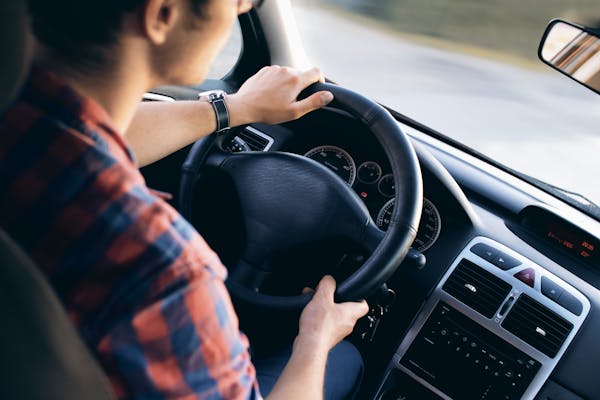
Listen for any unusual noises or vibrations that could indicate mechanical issues. Test the brakes to ensure they are effective and responsive. Evaluate the steering and suspension, checking for any signs of excessive play or unevenness. Take the car on a variety of road types, including highways and surface streets, to assess its performance in different conditions. Finally, test the car’s various features, such as air conditioning, audio system, and navigation (if applicable), to ensure they are functioning properly.
By thoroughly test driving the car, you can make an informed decision and determine if it meets your expectations.
Buying a Reliable Second Hand Car – Evaluating the price and negotiating
When buying a second-hand car, it is essential to evaluate the price and negotiate if necessary. Start by researching the market value of the car you are interested in. Utilize online resources, such as car valuation websites or classified ads, to get an idea of the average price for similar cars in your area. Additionally, take into consideration factors such as the car’s age, mileage, condition, and any additional features or modifications.
Armed with this information, you can approach the seller with a reasonable offer. It is important to be prepared to negotiate, as the initial asking price may not be the final price. Highlight any issues or discrepancies you have identified during the inspection or test drive, and use them as leverage for negotiating a lower price. Furthermore, if you are purchasing from a private seller, they may be more willing to negotiate compared to a dealership.
Remember to stay firm but polite throughout the negotiation process, and be prepared to walk away if the seller is unwilling to meet your price. By evaluating the price and negotiating effectively, you can secure a better deal on your second-hand car.