Supporting Your Child with their Spelling – Helping your child develop strong spelling and grammar skills is essential for their confidence in reading, writing, and communication. While it may seem challenging at times, there are plenty of fun and practical ways to support them at home. Here are some top tips to guide you.
Supporting Your Child with their Spelling
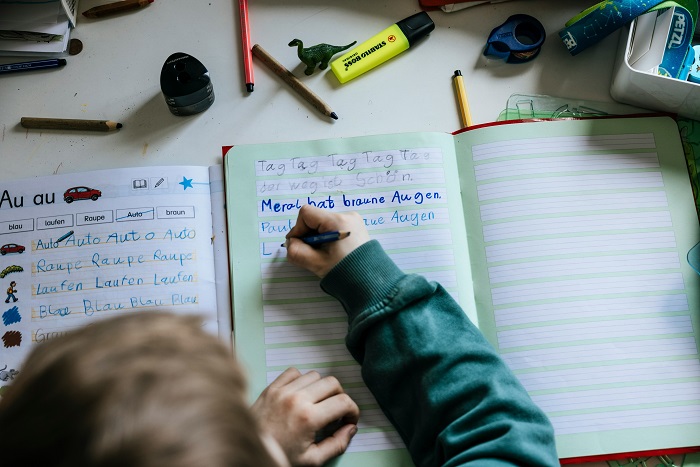
Make Reading a Daily Habit
Reading regularly is one of the most effective ways for children to improve their spelling and grammar. Exposure to correctly written words in context helps them internalise spelling patterns, punctuation, and sentence structure. This prep school in London recommends encouraging your child to read a variety of materials, from storybooks and magazines to comics and newspapers. Discuss the stories together and point out interesting words or sentence structures they might want to use in their own writing.
Encourage Writing Every Day
Practice makes perfect, and writing regularly helps children apply what they’ve learned in spelling and grammar. Encourage your child to keep a journal, write letters to family members, or even create short stories. Focus on positive feedback, praising effort and creativity rather than just correctness. Over time, this consistent practice will strengthen their understanding of grammar rules and spelling patterns.
Play Spelling and Grammar Games
Learning doesn’t have to be boring. Games can make spelling and grammar practice fun and engaging. Word searches, crosswords, Scrabble, or even online spelling games can help children remember tricky words and understand grammar concepts. You can also turn everyday activities into mini-games, like spotting spelling errors on packaging labels or creating sentences with new vocabulary words.
Use Technology Wisely
There are many apps and online tools designed to support spelling and grammar learning. Spellcheckers, educational games, and interactive exercises can help reinforce lessons learned at school. However, it’s important to balance screen time with traditional learning methods, ensuring that your child still practices writing by hand and thinking critically about language.
Focus on Common Mistakes
Every child has certain words or grammar rules they find tricky. Pay attention to your child’s common errors and create targeted exercises to help them improve. For example, if they often mix up “their” and “there,” practice sentences using these words in context. Breaking down complex grammar rules into simple, manageable steps can make learning feel less overwhelming.
Make Learning Visual and Interactive
Visual aids and hands-on activities can make spelling and grammar more accessible. Use colourful flashcards for tricky words, create charts for punctuation rules, or highlight parts of speech in sentences. Encouraging your child to physically write, rearrange, or sort words can make abstract rules easier to understand and remember.
Celebrate Progress
Finally, always celebrate your child’s achievements, no matter how small. Positive reinforcement builds confidence and encourages them to continue learning. Stickers, praise, or even a small reward for improvement can motivate your child and make the journey of mastering spelling and grammar more enjoyable.
Supporting your child with spelling and grammar doesn’t have to be stressful. With daily practice, engaging activities, and a positive approach, you can help them develop strong skills that will benefit their learning for years to come.